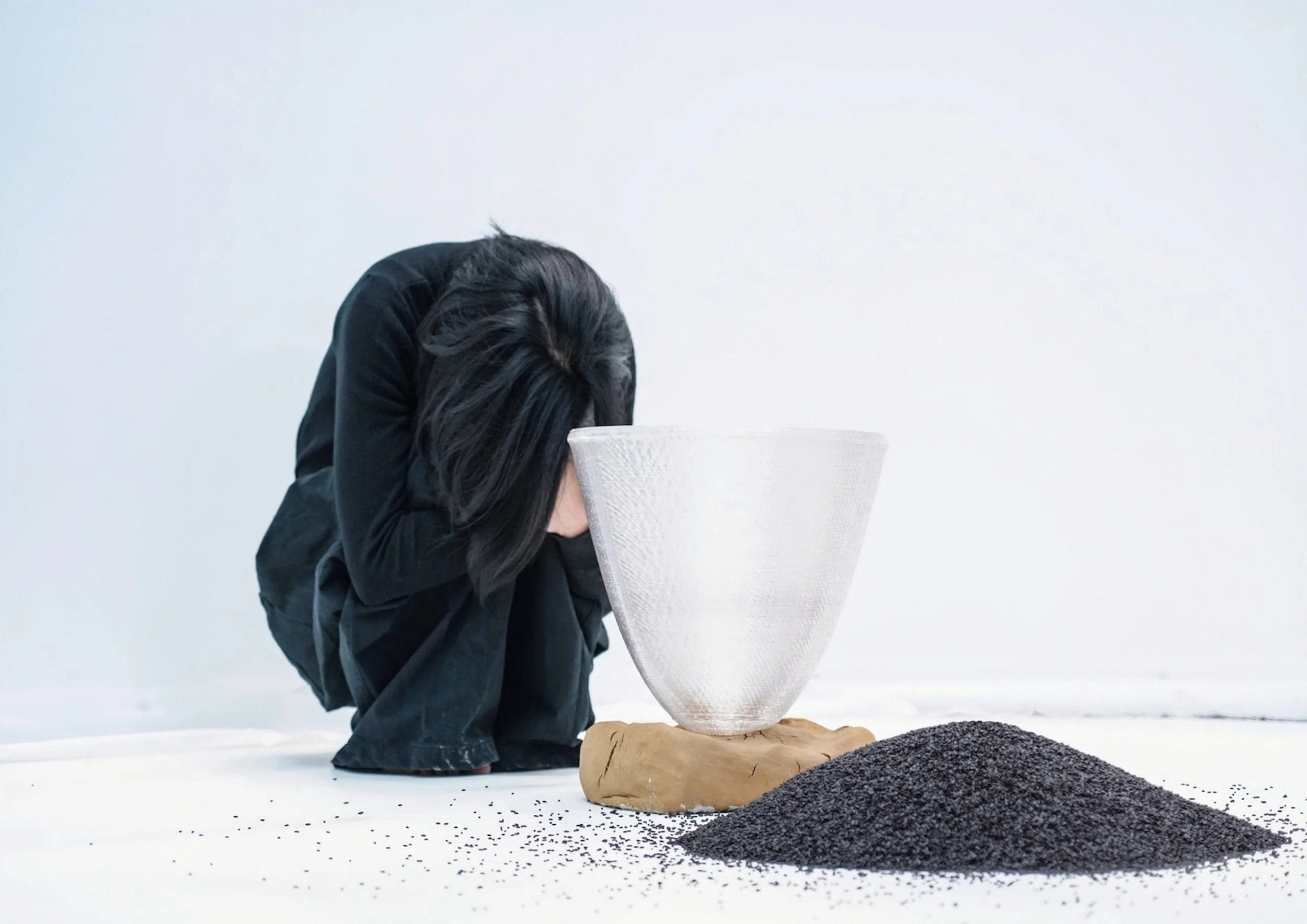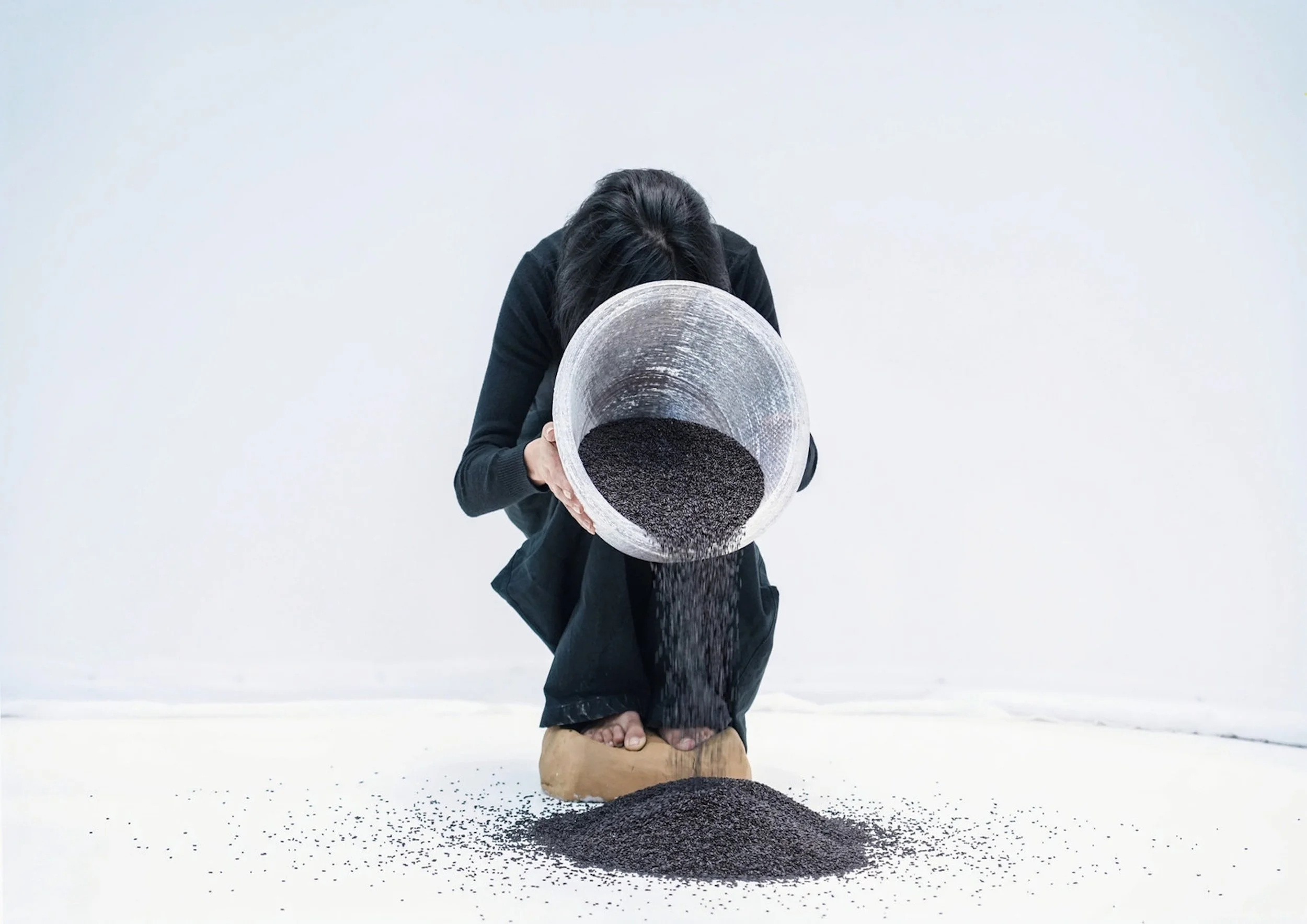
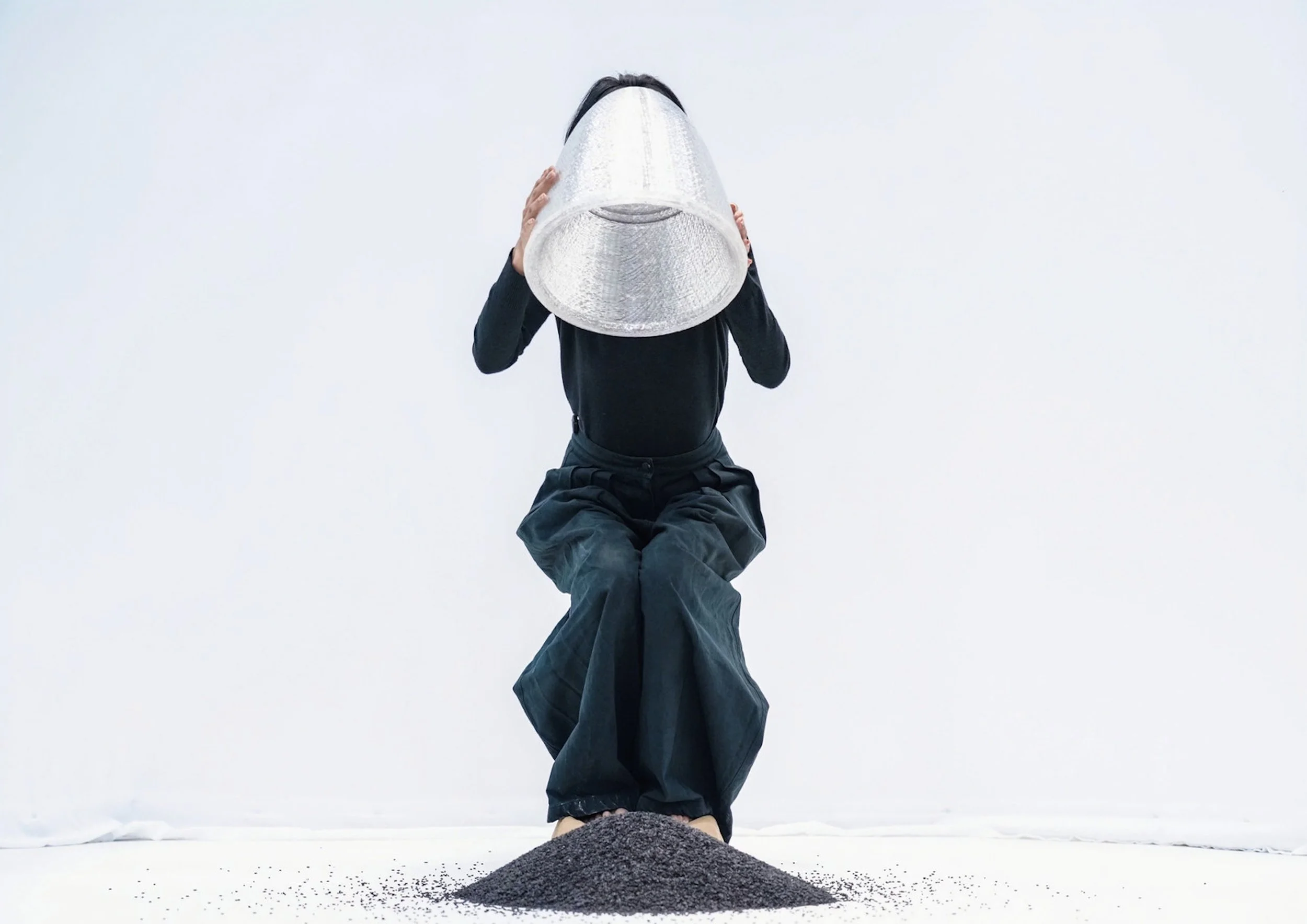
The performance is an ongoing material-based design inquiry into Dutch professor Jacob de Baan’s Oldest Reconstructed Vessel research, developed through Xi’an Jiaotong-Liverpool University’s Industrial Design funded research program and presented at the International Conference on Digital Heritage and Intelligent Design Engineering (DHIDE 2025). At the heart of the work is the Yuchanyan Vessel—the oldest known reconstructed ceramic vessel in the world. Its fragments carry a prehistoric curiosity about clay and parabolic form, yet academic study tends to approach it primarily as archaeological evidence. This performance instead asks what else the vessel might hold: what speculative functions, embodied memories, and symbolic possibilities might emerge when it is encountered live.
Working from de Baan’s 3D-printed replica, Part 2 treats the vessel not as a fixed artifact but as a prompt for interaction. Shape, texture, and imagined use become invitations for audiences to reinterpret and respond. Clay and black rice introduce tactile, material presence; the artist’s vocals add a bodily, sonic layer. Together they shift the vessel away from conventional narratives of ritual significance and toward a more open, sensory dialogue.The work is moved by two forces: the “beauty of imperfection” held in the vessel’s fragments, which speaks to repair and regeneration, and the embodied experience of the replica—its weight and form felt when embraced. In this encounter, the ancient vessel becomes both mystery and vitality: an object to be touched, sounded, questioned, and reimagined.
Hosted by Hangzhou City University | Organized by the School of Art and Archaeology & School of Media and Design, Hangzhou Dianzi University
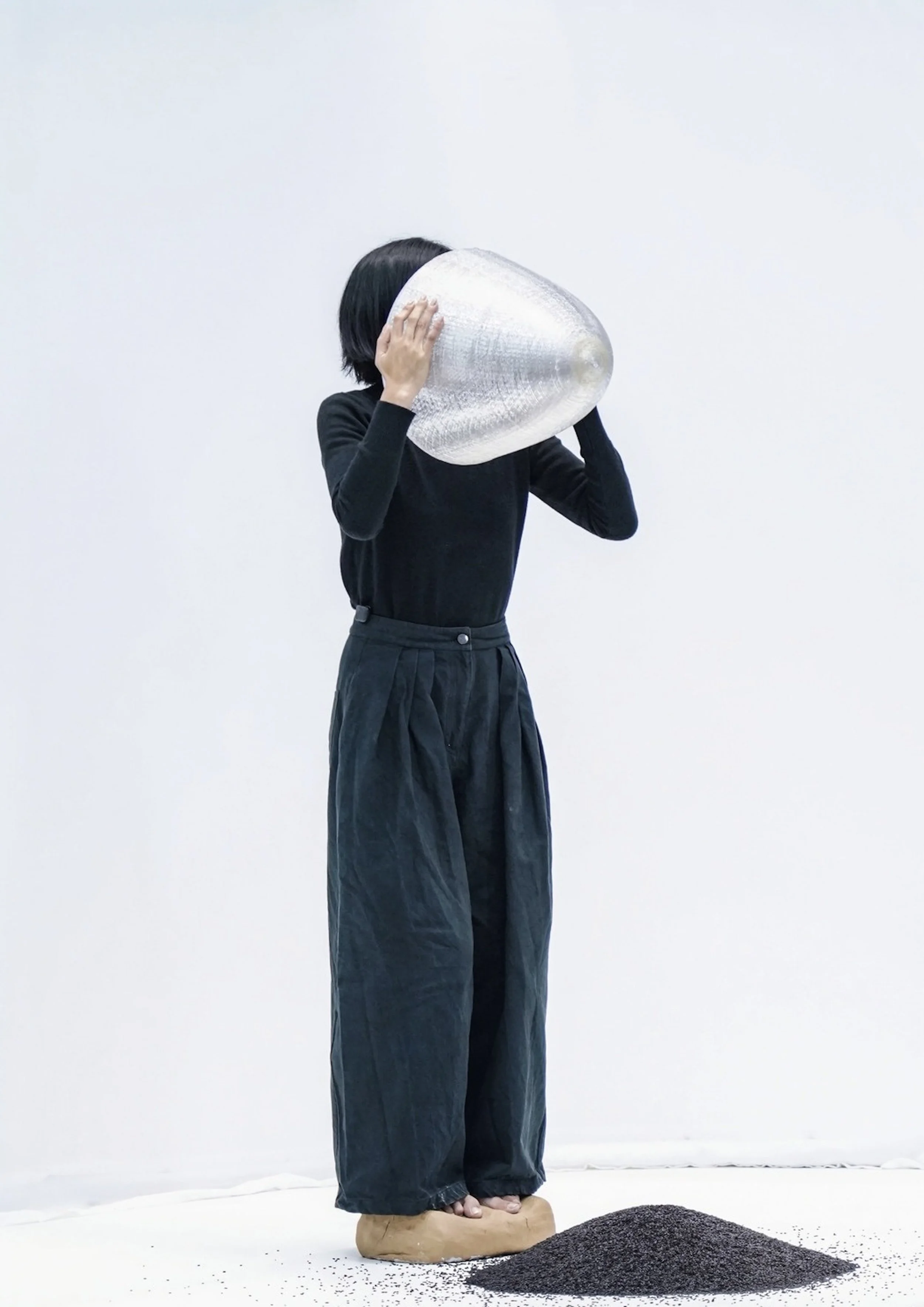
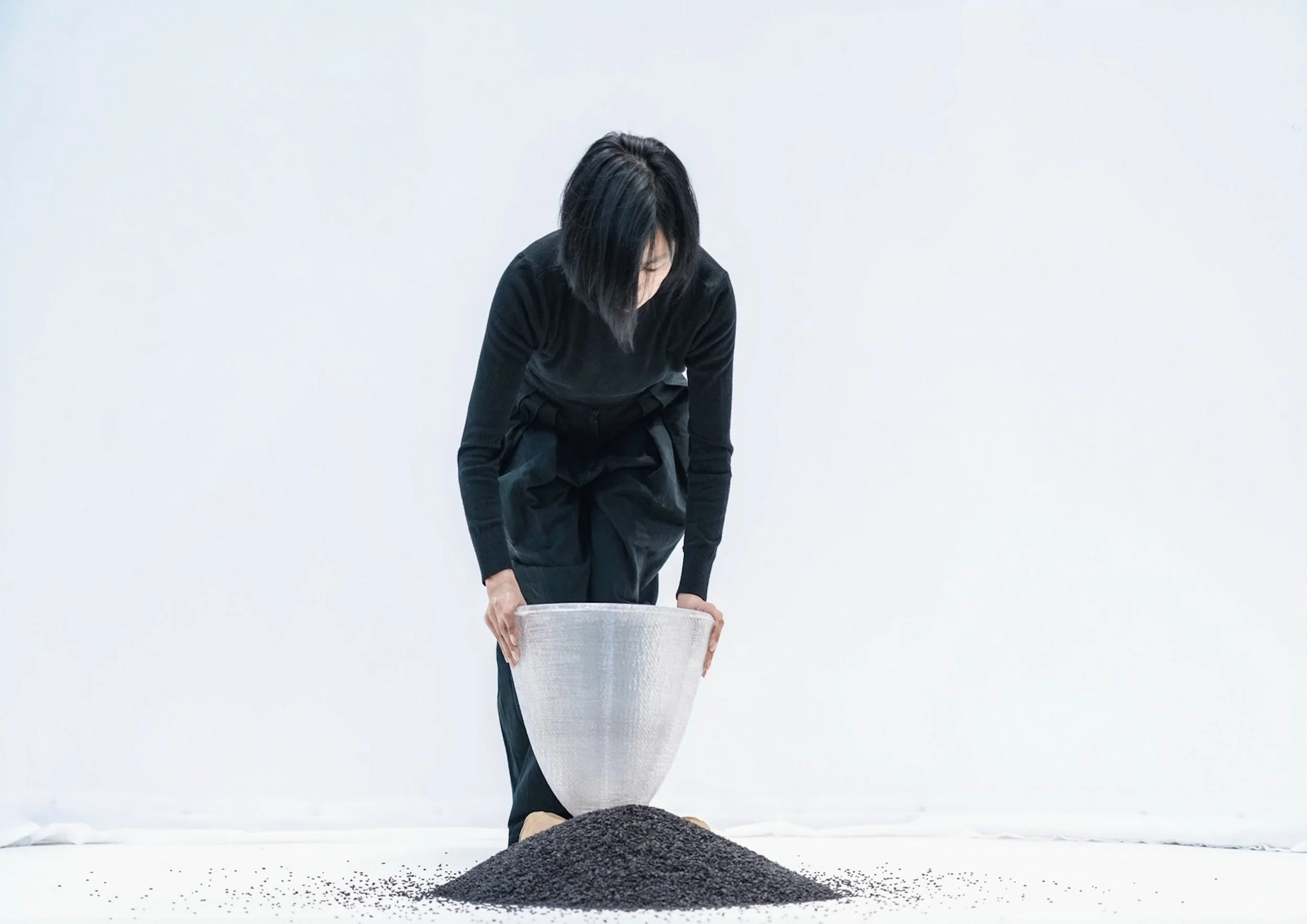
Yuchanyan Vessel ?
3D-printed vessel, clay, black rice grains & artist vocals
Hangzhou City University.
Hangzhou. China
2025